Back to Dogs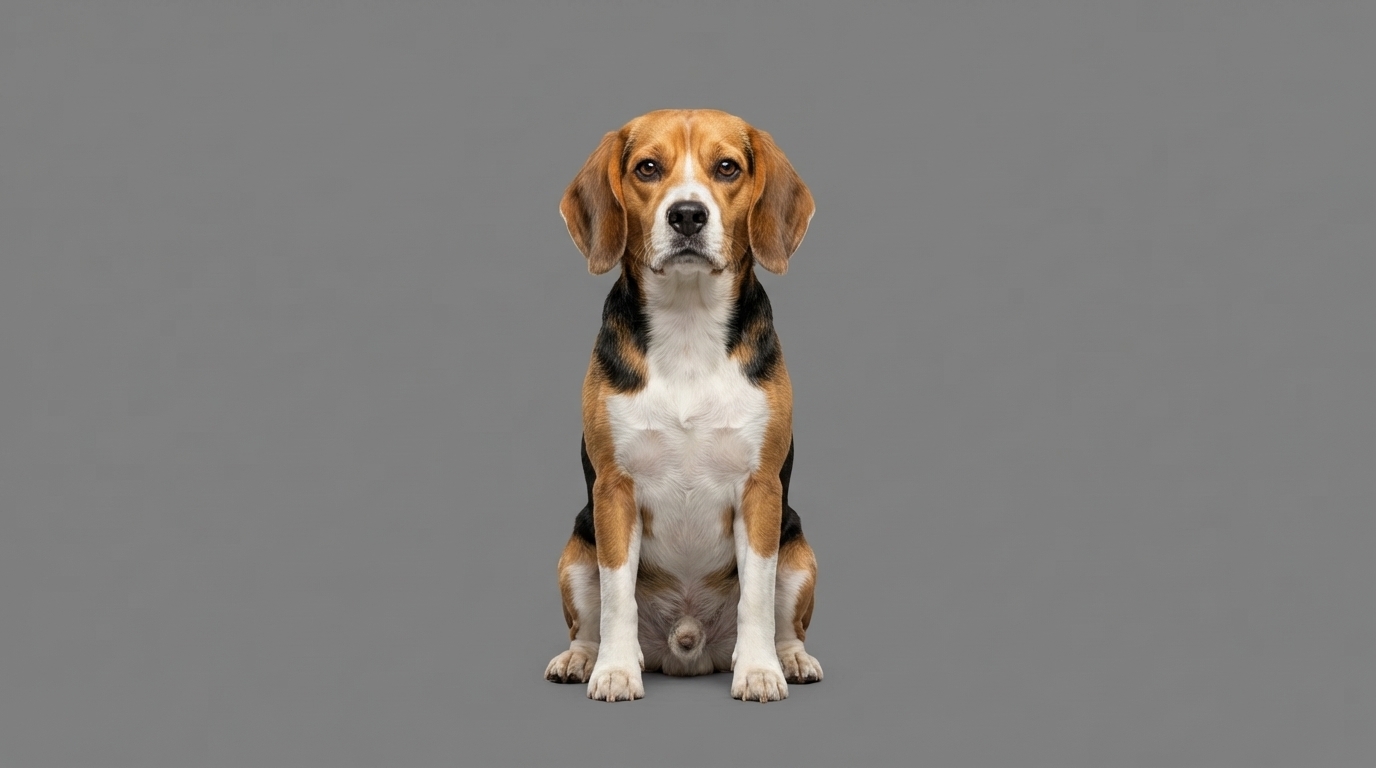
England•hound
Beagle
commonGood with KidsGood with Pets
Merry, friendly, and curious. Beagles are excellent family dogs with a keen sense of smell and playful nature.
Weight9-13.5 kg20-30 lbs
Height33-38 cm13-15"
Lifespan12-15 yrs
Overview
Personality and care at a glance
AmiableEven TemperedExcitableDeterminedGentle
Height
33-38 cm13-15"
Weight
9-13.5 kg20-30 lbs
Lifespan
12-15 yrs
Breed Traits
Size
Small - Size category based on typical adult weight
Energy Level
Active - needs regular exercise and mental stimulation
Trainability
Independent thinker - requires patience and creativity
Grooming
Minimal grooming - occasional brushing
Barking
Frequent barker
Attachment Style
How much this breed typically wants to be near their people versus enjoying time on their own.
IndependentHighly Dependent
Balanced companionship
Size Comparison
🧍
Human~6ft / 183cm🐕
Beagle33-38 cm13-15"Compatibility
How well Beagle matches your lifestyle
??%
Your Match Score
Take our 2-minute lifestyle quiz to see how well Beagle matches your lifestyle.
Good Fit
- +
- +
- +
Things to Consider
- !
- !
Colors & patterns
Beagle comes in 3 recognized colors
Tricolor
Classic Tri
Tricolor
Brown·White·Black
Red and White
Lemon and White
Bicolor
Red·White
Lemon and White
Bicolor
Tan·White
Exercise
Activity requirements for Beagle
high energy60-90 min/day
The Beagle is energetic and requires substantial daily exercise. Plan for dedicated activity time to prevent behavioral issues from pent-up energy.
1+ hour daily with scent work activities
Recommended Activities
Moderate intensity
Long Walks/Hikes
Extended walks or hiking adventures to burn energy.
45-60 min
Moderate intensity
Swimming
Low-impact but excellent full-body workout.
20-30 min
High intensity
Running/Jogging
Running alongside you for cardiovascular exercise.
20-30 min
High intensity
Active Play Sessions
High-energy games like fetch, frisbee, or tug-of-war.
20-30 min
High intensity
dog Sports
Agility, flyball, or other organized activities.
30-45 min
Grooming
Coat care and maintenance for Beagle
Low Maintenancefur coat
Beagles require minimal grooming maintenance. Occasional brushing and basic hygiene care will keep them looking their best.
Weekly Brushing
A quick brush once a week removes loose hair and distributes natural oils for a healthy coat.
Weekly
Occasional Bathing
Bathe only when dirty or smelly - typically every 2-3 months. Over-bathing can strip natural oils.
Every 2-3 months
Nail Trimming
Keep nails trimmed to prevent discomfort and clicking on floors. If you hear clicking, they're too long.
Every 2-4 weeks
Dental Care
Brush teeth regularly or provide dental chews to prevent plaque buildup and gum disease.
2-3 times per week
Training
Training approach for Beagle
Independent Thinker
The Beagle thinks for itself and may question why they should follow commands. Training requires creativity and understanding their motivation.
Best Approach
Understand that independence isn't disobedience - it's how they're wired. Find what motivates them (often not just treats) and make training feel like their idea.
Training Tips
Essential
Find Their Motivation
Discover what truly motivates them - it might be play, specific treats, or simply their own curiosity.
Essential
Keep It Interesting
Vary your training approaches and keep sessions unpredictable to maintain their interest.
Essential
Build Relationship First
A strong bond makes them more willing to cooperate. Focus on relationship before commands.
Recommended
Respect Their Nature
Don't expect robot-like obedience. Appreciate their unique personality while establishing boundaries.
Common Challenges
- May ignore commands they find pointless
- Can be selectively obedient
- May need 'what's in it for me' motivation
- Recall can be challenging
Nutrition
Feeding guidelines for Beagle
Small Breed2-3 meals$22-55/month
Small breeds have higher metabolisms than larger dogs and benefit from multiple meals per day with appropriately sized portions.
Feeding Tips
Careful Portion Control
Small breeds are prone to obesity. Measure food carefully and adjust based on activity level.
Small Breed Formula
Choose foods formulated for small breeds with appropriate kibble size and nutrient density.
Watch Treat Calories
Treats add up quickly for small dogs. Keep treats to 10% or less of daily calories.
Always Fresh Water
Ensure constant access to clean, fresh water. Small dogs can dehydrate quickly.
Health
Common health conditions to watch for in Beagle
0
High Risk
4
Common Issues
Understanding breed-specific health risks helps you provide better preventive care. Regular vet checkups and health screenings can catch many issues early.
Common Issues
This information is for educational purposes only and should not replace professional veterinary advice. Always consult with your veterinarian about your pet's specific health needs.
Ownership costs
Estimated expenses for Beagle
Monthly costs
Food
$22-55
Insurance
$27-63
Supplies
$13-26
Monthly total
$62-144
Annual costs
Veterinary care
$384-648/yr
Parasite prevention
$288/yr
Annual total
$672-936/yr
Estimates based on 2024-2025 research, adjusted for Beagle's size. Actual costs vary by location and provider.
Regional insights
Local factors affecting pet ownership costs in United States
- •Pet industry expenditure reached $152B in 2024, projected $157B for 2025
- •66% of households own pets (86.9 million homes)
- •Pet CPI continues to outpace general inflation
What's not included
- •Initial adoption/purchase fees
- •One-time equipment purchases (beds, bowls, leashes)
- •Emergency veterinary surgeries
- •Boarding/daycare services
Frequently asked questions
Common questions about Beagle
Have more questions? Research thoroughly before committing to any breed
Sources
5 references for Beagle
American Kennel Club Breed Information
Registry·American Kennel Club
Canine Health Information Center - Beagle
Health·OFA-CHIC
Hip Dysplasia in Dogs
Veterinary·Orthopedic Foundation for Animals
Seizures in Dogs
Veterinary·American Kennel Club
Hypothyroidism in Dogs
Veterinary·American Kennel Club
Information sourced from breed registries, veterinary organizations, and peer-reviewed research