Back to Dogs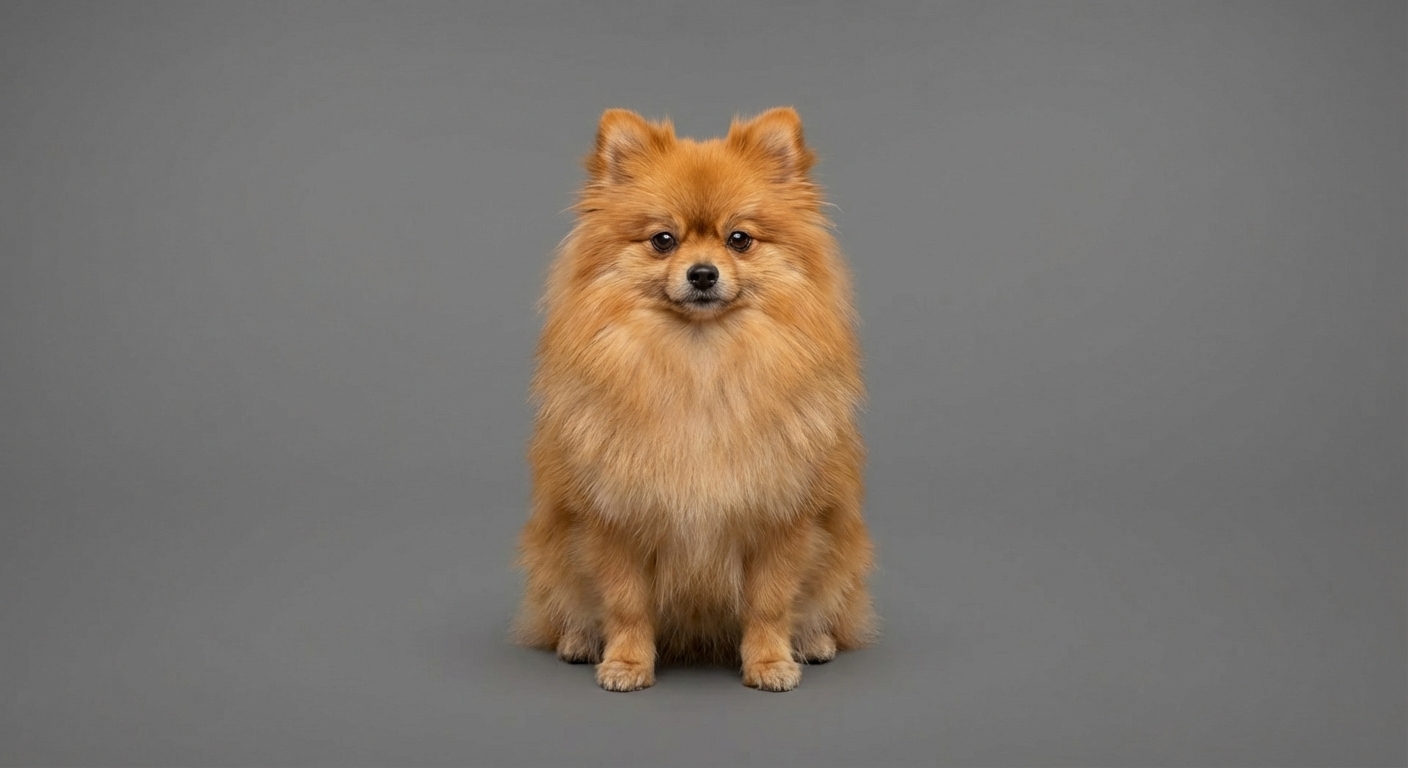
Germany/Poland•toy
Pomeranian
popularApartment FriendlyGood with Pets
Inquisitive, bold, and lively. Pomeranians are fluffy companions with big personalities and fox-like faces.
Weight1.5-3 kg3.5-6.5 lbs
Height15-18 cm6-7"
Lifespan12-16 yrs
Overview
Personality and care at a glance
InquisitiveBoldLivelyPlayfulFriendly
Height
15-18 cm6-7"
Weight
1.5-3 kg3.5-6.5 lbs
Lifespan
12-16 yrs
Breed Traits
Size
Tiny - Size category based on typical adult weight
Energy Level
Balanced - enjoys play sessions and moderate activity
Trainability
Moderately trainable - learns with consistent effort
Grooming
High maintenance - daily brushing
Barking
Frequent barker
Attachment Style
How much this breed typically wants to be near their people versus enjoying time on their own.
IndependentHighly Dependent
Balanced companionship
Size Comparison
🧍
Human~6ft / 183cm🐕
Pomeranian15-18 cm6-7"Compatibility
How well Pomeranian matches your lifestyle
??%
Your Match Score
Take our 2-minute lifestyle quiz to see how well Pomeranian matches your lifestyle.
Good Fit
- +
- +
- +
Things to Consider
- !
- !
Colors & patterns
Pomeranian comes in 6 recognized colors
Orange
Black
Cream
White
Orange Sable
Chocolate
Exercise
Activity requirements for Pomeranian
medium energy45-60 min/day
Pomeranians need regular daily exercise to stay fit and content. A mix of walks and play will keep them mentally and physically satisfied.
20-30 minutes daily of play and walks
Recommended Activities
Low intensity
Mental Stimulation
Puzzle toys and training games for mental exercise.
10-15 min
Moderate intensity
Daily Walks
Regular walks at a moderate pace, ideally twice daily.
20-30 min each
Moderate intensity
Fetch & Retrieval Games
Active play sessions with balls or toys.
15-20 min
Moderate intensity
Social Play
Playdates with other dogs or interactive games with family.
20-30 min
Grooming
Coat care and maintenance for Pomeranian
High Maintenancefur coat
Pomeranians require significant grooming commitment. Daily maintenance prevents matting and keeps their coat healthy and beautiful.
Daily Brushing
Daily brushing is essential to prevent painful matting and tangles. Use appropriate brushes for the coat type.
Daily
Regular Bathing
Bathe every 2-4 weeks with quality products. Proper drying is crucial to prevent skin issues.
Every 2-4 weeks
Professional Grooming
Regular professional grooming every 4-6 weeks for thorough coat maintenance. Trimming needs vary by breed.
Every 4-6 weeks
Mat Prevention
Pay special attention to areas prone to matting: behind ears, under legs, and around the collar.
Daily check
Ear Cleaning
Check and clean ears weekly to prevent infections, especially in breeds with heavy ear furnishings.
Weekly
Nail Trimming
Keep nails trimmed to a comfortable length. Long nails can cause pain and affect gait.
Every 2-3 weeks
Training
Training approach for Pomeranian
Moderately Trainable
The Pomeranian is reasonably trainable with consistent effort. They learn well but may need more repetition than eager learners.
Best Approach
Be patient and consistent. Use high-value rewards and keep training sessions short but frequent. Consistency in commands and expectations is key.
Training Tips
Essential
Stay Consistent
Use the same commands and expectations every time. Consistency helps them understand what you want.
Essential
Short Training Sessions
Keep sessions to 10-15 minutes to maintain focus and prevent frustration for both of you.
Recommended
High-Value Rewards
Use especially enticing treats for training to maintain motivation and attention.
Recommended
Practice Patience
Some commands may take longer to learn. Stay patient and celebrate small victories.
Common Challenges
- May lose focus during longer sessions
- Can be distracted by environment
- May test boundaries occasionally
Nutrition
Feeding guidelines for Pomeranian
Tiny Breed3-4 small meals$7-16/month
Tiny breeds have fast metabolisms and small stomachs. They need frequent, small meals to maintain stable blood sugar levels.
Feeding Tips
Frequent Small Meals
Feed 3-4 small meals throughout the day to prevent hypoglycemia (low blood sugar).
Appropriately Sized Food
Choose small-breed or toy-breed formulas with smaller kibble sizes that are easier to chew.
Calorie-Dense Food
Tiny breeds need more calories per pound than larger dogs. Choose nutrient-dense formulas.
Monitor Weight Carefully
Even a small amount of extra weight puts strain on tiny frames. Keep them lean.
Important Considerations
- Risk of hypoglycemia if meals are skipped
- Prone to dental issues - consider dental-focused foods
- Small stomachs can lead to digestive upset if overfed
Health
Common health conditions to watch for in Pomeranian
2
High Risk
2
Common Issues
Understanding breed-specific health risks helps you provide better preventive care. Regular vet checkups and health screenings can catch many issues early.
High Risk Conditions
Common Issues
This information is for educational purposes only and should not replace professional veterinary advice. Always consult with your veterinarian about your pet's specific health needs.
Ownership costs
Estimated expenses for Pomeranian
Monthly costs
Food
$7-16
Insurance
$30-70
Supplies
$11-21
Grooming
$52-63
Monthly total
$100-170
Annual costs
Veterinary care
$372-612/yr
Parasite prevention
$216/yr
Annual total
$588-828/yr
Estimates based on 2024-2025 research, adjusted for Pomeranian's size. Actual costs vary by location and provider.
Regional insights
Local factors affecting pet ownership costs in United States
- •Pet industry expenditure reached $152B in 2024, projected $157B for 2025
- •66% of households own pets (86.9 million homes)
- •Pet CPI continues to outpace general inflation
What's not included
- •Initial adoption/purchase fees
- •One-time equipment purchases (beds, bowls, leashes)
- •Emergency veterinary surgeries
- •Boarding/daycare services
Sources
2 references for Pomeranian
American Kennel Club Breed Information
Registry·American Kennel Club
Canine Health Information Center - Pomeranian
Health·OFA-CHIC
Information sourced from breed registries, veterinary organizations, and peer-reviewed research